
Our Research
Our research agenda explores how faith-based principles nurture wellbeing across all stages of life, strengthen families, and build resilient communities. Through studies on loneliness reduction, family stability, women’s empowerment, and youth development, we examine how spiritual teachings and communal practices support emotional resilience, leadership, and social inclusion.
We also investigate children’s faith education and its role in shaping values, confidence, and positive identity formation. Prioritising qualitative inquiry grounded in lived experience, our agenda aims to generate knowledge that helps communities cultivate belonging, wellbeing, and stability through faith-rooted ethics, intergenerational learning, and meaningful participation.
Our Research Focus Areas
Mental Health & Wellbeing
How faith-based community practices reduce isolation and support emotional resilience in later life
Women's Empowerment
Economic inclusion, leadership development, and ethical entrepreneurship shaped by faith and community.
Youth Development
Programmes and mentoring that help young people build confidence, leadership skills, and a strong sense of belonging within their faith and community.
Children's Faith Education
How faith-based learning from a young age shapes children's character, confidence, and lasting sense of identity.
What We're Working On
Current Research Projects
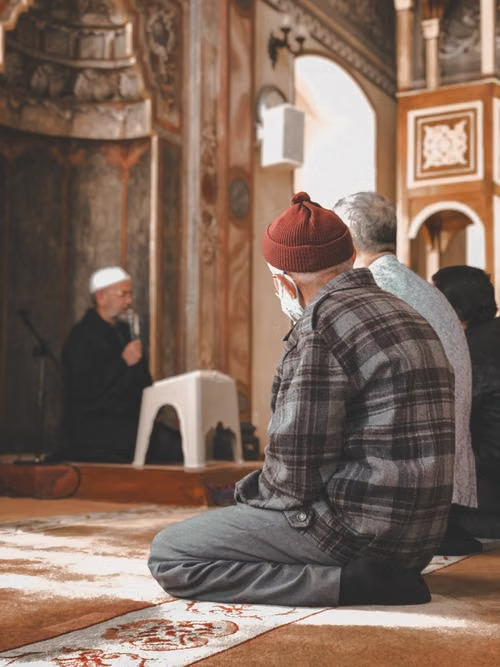
Faith-Based Community Practices and Loneliness Reduction Among Older----------------------?
This research project examines whether faith-based community activities can reduce loneliness among older adults. Focusing on practices such as Zikr circles, Qur’an study gatherings, and coffee mornings, the study explores how spiritual connection, routine social interaction, and shared meaning-making support emotional wellbeing.
Participants take part in weekly sessions and complete loneliness measures before and after involvement, allowing researchers to assess changes over time. Qualitative feedback is also gathered to understand personal experiences, perceived benefits, and suggestions for improvement.
By combining measurable outcomes with participant narratives, the project aims to identify how faith-rooted communal practices can strengthen belonging, reduce isolation, and enhance quality of life for older people.
Faith, Family Values and Community Stability
This research project explores how faith-based teachings contribute to healthy family relationships, conflict resolution, and long-term community stability. Focusing on practices such as Qur’anic guidance, Prophetic teachings, and community study circles, researchers are examining how spiritual principles shape communication, empathy, and mutual respect within families.
Using a case-study approach, the project investigates real-life situations where faith-rooted values have supported reconciliation, strengthened bonds, or prevented escalation of conflict.
Participant interviews and reflective accounts help identify which teachings and practices are most effective in promoting harmony and resilience. By combining lived experience with thematic analysis, the study aims to show how faith-centred learning can nurture stable families, reduce tensions, and build stronger, more connected communities.

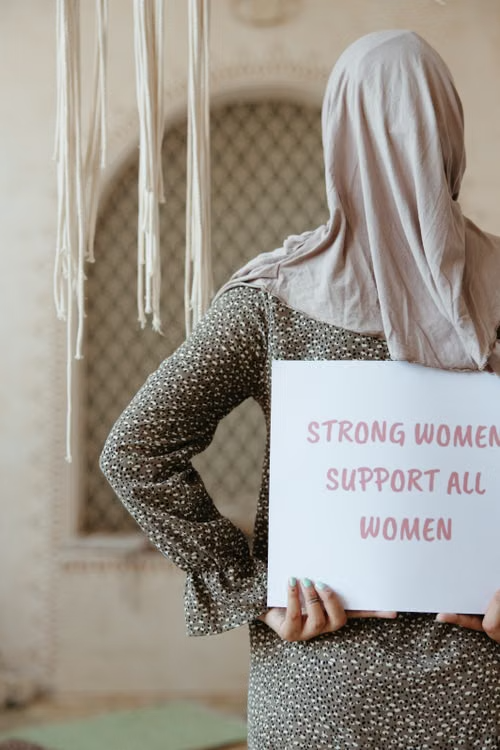
Faith-Based Approaches to Women's Empowerment and Economic Inclusion
This qualitative study explores how faith-based teachings and community participation support women’s empowerment, economic inclusion, and leadership development.
Through in-depth interviews, researchers examine how spiritual education, ethical entrepreneurship, and values-driven leadership shape women’s confidence, agency, and social contribution. The project investigates lived experiences of women who draw on faith-rooted principles to build skills, navigate challenges, and enhance wellbeing within their families and communities.
Key themes include access to learning, motivation for entrepreneurship, peer support networks, and the role of faith in sustaining resilience and long-term personal growth. By analysing participant narratives and community practices, the study aims to highlight how faith-centred approaches can strengthen women’s economic participation, broaden leadership pathways, and foster inclusive, stable community development.
Become a Research Fellow
If you have relevant qualifications and an interest in intersectional research, we would love to hear from you. Send your CV and a short covering note to join our research institute as a fellow.
Frequently Asked Questions
Our research explores how faith-based principles and community practices support wellbeing across different stages of life — from reducing loneliness in older adults to strengthening families, empowering women, and nurturing children's faith education. The goal is to generate practical knowledge that helps our community and others build belonging, resilience, and stability.
Our studies are conducted by Minhaj Institute's research team, working alongside community members, volunteers, and where relevant, academic collaborators with expertise in the areas we study.
We prioritise qualitative inquiry grounded in lived experience — interviews, case studies, and reflective accounts — sometimes combined with measurable outcomes such as pre- and post-participation surveys. This allows us to capture both real, personal experiences and observable patterns.
Yes. All of our research follows established ethical guidelines, including informed consent and responsible handling of sensitive personal information. Participants' identities and personal accounts are treated with care and confidentiality throughout.
We welcome community members interested in contributing their experiences to our studies. If you'd like to get involved as a participant, please get in touch and we'll let you know about current opportunities.
Our current projects include faith-based community practices and loneliness reduction among older adults, faith and family values in community stability, and faith-based approaches to women's empowerment and economic inclusion.
Findings are shared with the communities who take part in our research and directly inform the programmes and services we offer at Minhaj Institute, helping us better meet the needs of the people we serve.
We're working on making our research findings publicly available. If you're interested in a specific project, please contact our research team directly for the latest updates.
If you have relevant qualifications and an interest in intersectional research, we'd love to hear from you. Send your CV and a short covering note to research@minhajinstitute.co.uk to be considered.
While our research is rooted in and informed by the Walsall community we serve, the themes we explore — faith, family, wellbeing, empowerment — are relevant more broadly, and we hope our findings can benefit other communities too.
Support Research That Strengthens Our Community
Your generosity helps fund the studies that inform how we serve Walsall families for years to come.
